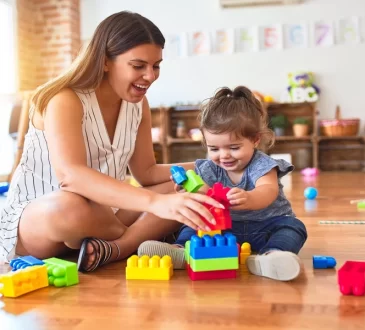


Welcoming a newborn into your family brings boundless joy, tender moments, and a complete transformation of your daily routine. As maternity or paternity leave concludes, working parents face the crucial task of selecting a safe, professional, and loving environment for their little ones. Finding the right early childhood setup allows parents to return to work with complete peace of mind, knowing their child receives attentive care. Navigating infant care in Singapore for babies aged two to eighteen months requires balancing safety protocols, caregiver ratio quality, location convenience, and monthly costs.
Assessing Health, Safety, and Caregiver-to-Infant Ratios
Safety remains the absolute top priority when evaluating any nursery environment for young infants. Vulnerable babies require meticulous hygiene routines, constant physical monitoring, and high-calibre caregiving to prevent infections and support healthy physical development.
When visiting prospective centres, examine physical cleanliness, safety barrier installations, and daily sanitisation schedules:
- Strict Caregiver Ratios – Regulatory bodies enforce a maximum ratio of one caregiver to every five infants, though top-tier centres often maintain even tighter ratios for individualised attention.
- Dedicated Infant Facilities – Ensure the centre physically separates infants from older, active toddlers to maintain a quiet, calm, and safe environment for resting babies.
- Rigorous Hygiene Protocols – Look for mandatory temperature checks, frequent hand-sanitising routines, daily toy disinfection schedules, and clear sick-child isolation policies.
- Qualified Infant Educators – Verify that caregivers hold specialised early childhood nursing or infant care certifications, ensuring expert handling during feeding, sleeping, and motor development routines.
Evaluating physical environments and staff credentials ensures your baby remains safe, healthy, and emotionally secure throughout the day.
Evaluating Sensory Stimulation and Developmental Programs
Infant care involves far more than basic feeding, diaper changing, and naptime monitoring. During the first year of life, a baby’s brain develops at an astonishing speed, forming millions of neural connections through sensory experiences and loving interactions.
High-quality infant care in Singapore integrates structured sensory play, tummy-time exercises, music exposure, and language-rich interactions into daily care routines. Experienced caregivers talk, sing, and read to babies constantly, building early language foundation skills naturally.
Furthermore, look for centres that respect your baby’s natural biological rhythms rather than forcing rigid group schedules. Flexible routine management ensures that caregivers feed and rest your child according to their individual developmental needs.
Navigating Costs and Applying for Financial Assistance
Professional infant care represents a significant monthly investment for young families. Fortunately, government funding frameworks help working parents manage these expenses effectively through direct fee offsets.
When enrolling your child in licensed infant care in Singapore, working mothers automatically qualify for a Basic infant care subsidy to offset monthly tuition fees. Depending on your household income level, you can also apply for an Additional infant care subsidy, reducing your out-of-pocket expenses even further.
Working out your family’s net monthly fee after applying every applicable infant care subsidy allows you to select a premium, accredited centre that fits comfortably within your household budget.
Building Strong Communication Between Parents and Caregivers
Establishing open, transparent communication with your baby’s primary caregivers ensures a smooth transition from home to the centre. Babies thrive on consistency, so aligning feeding schedules, sleep associations, and comforting techniques between parents and educators creates emotional stability.
Choose centres that utilise secure digital parent portals or detailed daily communication logs. Quality care teams provide daily updates on your baby’s milk intake, diaper changes, nap durations, and developmental milestones, accompanied by photos of daily activities.
Regular face-to-face check-ins during pick-up and drop-off times foster a strong partnership, ensuring that you and the care team work together to support your baby’s growth.
Give Your Baby a Safe, Loving Start
Choosing the right nursery environment lays a strong foundation for your baby’s emotional security, health, and early learning development. By prioritising safety standards, engaging sensory programs, transparent parent communication, and available financial support, you ensure a positive experience for your entire family.
Take time to tour local facilities, ask thorough questions, and choose a nurturing team that treats your little one with absolute warmth and care.
Frequently Asked Questions
At what age can a baby enrol in infant care in Singapore?
Licensed infant care centres accept infants starting from two months up to eighteen months of age, after which children transition into playgroup programs.
How do I apply for the basic and additional infant care subsidies?
The infant care centre handles the subsidy application process directly with the Early Childhood Development Agency (ECDA) upon your child’s enrolment.
Can I provide my own breast milk or specialised formula to the centre?
Yes, centres store and prepare expressed breast milk or preferred infant formula according to strict hygienic guidelines provided by parents.
Contact E-Bridge Pre-School today for dedicated infant care teams that deliver compassionate care, specialised sensory programs, and high safety standards in a vibrant, home-like setting.