Chinese Tuition: How to Match Teaching Methods to a Child’s Language Proficiency

Every child embarks on their language acquisition journey from a unique starting line. In multicultural societies like Singapore, household language exposure varies dramatically. One child might grow up in a Mandarin-speaking home, hearing rich vocabulary daily, while another speaks predominantly English with their family. Forcing every student into a rigid, one-size-fits-all teaching model creates unnecessary friction and self-doubt. When educators and parents force advanced grammar onto beginners or repeat basic drills for fluent speakers, students lose interest quickly. Matching pedagogical strategies directly to a learner’s current fluency level unlocks natural curiosity and accelerates progress. By understanding how teaching methods evolve across different proficiency stages, you can select the right Chinese tuition strategies to help your child thrive.
The Early Explorers: Playful Immersion for Beginners
A positive relationship with Mandarin is the primary goal for young children who have little to no prior exposure to the language.
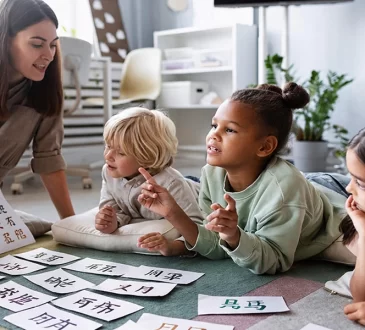
At this foundational stage, abstract grammar rules and repetitive character writing quickly overwhelm young minds. Instead, effective teaching methods rely on sensory-rich immersion, music, visual aids, and interactive play. Specialised programmes focusing on Chinese for preschoolers utilise rhythmic nursery rhymes, puppet storytelling, and movement games to teach core vocabulary naturally. Tutors introduce basic tonal patterns and everyday phrases through immersive conversation, encouraging young learners to associate Mandarin with fun and discovery. Establishing an enjoyable, pressure-free foundation during early childhood prevents language anxiety and instils a lifelong willingness to communicate freely in Mandarin.
The Foundation Builders: Bridging Oral Skills and Character Recognition
Once children are comfortable with basic listening comprehension and daily vocabulary, entering primary school, teaching methods must shift toward literacy development. Educators introduce stroke order and character components using multi-sensory tools like visual flashcards, radical decomposition games, and air-writing techniques rather than sheer rote memorisation. Tutors also guide students through simple sentence frames to expand basic ideas into descriptive sentences using varied adjectives and conjunctions. Connecting new vocabulary to relatable daily scenarios like school activities or hobbies helps solidify context, while interactive reading aloud builds pronunciation, reading stamina, and comprehension. Enrolling your child in an adaptable Chinese tuition programme ensures that tutors scaffold lessons effectively, helping students transition smoothly from spoken fluency to confident reading and writing.
The Advanced Communicators: Refining Answering Techniques and Creative Expression
When students demonstrate strong vocabulary foundations and fluid reading skills, teaching methodologies must adapt to meet higher academic standards. Intermediate learners who express basic preferences using short sentences progress toward delivering structured, persuasive opinions on complex social topics. In reading comprehension, advanced strategies move students from simply locating direct answers toward analysing hidden themes, inferring character motives, and evaluating open-ended passage questions. Writing instruction similarly evolves from basic, grammatically correct paragraphs to employing vivid idioms, sensory descriptions, and logical plot structures in descriptive compositions. Furthermore, students transition from guided worksheet practice to independently applying time-management strategies and precise answering frameworks. For advanced learners, educators move away from basic translation, focusing instead on critical thinking, sophisticated vocabulary selection, and structured comprehension strategies. Exposing competent students to current affairs articles, video discussions, and creative writing prompts sharpens their analytical skills for national examinations.
Early Intervention: Why Early Exposure Sets the Trajectory
Pacing instruction according to a child’s natural language timeline yields the highest return on educational investment during early development.
Introducing structured immersion like Chinese for preschoolers aligns with the brain’s peak window for language acquisition. Young children absorb phonetic sounds, tonal variations, and subtle linguistic structures effortlessly through daily play and interactive stories. When parents provide tailored support early, children build native-like pronunciation and an intuitive grasp of sentence syntax. This early head start eliminates the need for intensive remedial drills later in primary school, allowing children to approach academic examinations with absolute confidence and genuine enthusiasm.
Unlocking Every Learner’s Potential
Matching teaching methods to your child’s specific language proficiency ensures that learning remains engaging, effective, and empowering. By recognising whether your child requires playful early immersion, structured literacy building, or advanced analytical training, you can provide the ideal learning environment for lifelong Mandarin mastery.
Frequently Asked Questions
How can I determine my child’s current Chinese language proficiency level?
An experienced language tutor or enrichment centre can conduct a comprehensive diagnostic assessment that evaluates listening comprehension, oral fluency, reading ability, and writing skills.
At what age should I enrol my child in structured Chinese lessons?
Children benefit from structured exposure as early as age three or four. Early preschool programmes focus on play-based immersion, songs, and storytelling to build a strong natural foundation.
Can a child catching up in primary school still achieve high proficiency in Chinese?
Yes, using targeted teaching strategies that address specific learning gaps helps primary students build vocabulary quickly and master examination answering techniques with confidence.
Empower your child with dynamic, level-appropriate teaching strategies, engaging lessons, and expert guidance from Singapore’s leading language specialists. Contact Tien Hsia Language School to learn more.