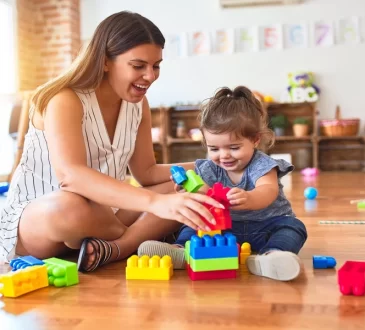


Chinese oral preparation requires pupils to communicate ideas clearly and confidently rather than simply memorise lists of vocabulary. During the examination, they need to listen carefully to prompts, understand what is being asked, and produce well-structured responses in a natural and articulate way.
Regular Chinese oral practice can make these assessment tasks feel significantly more familiar and manageable. Instead of treating oral preparation as a frantic final revision activity right before the exam, pupils can develop strong speaking habits gradually through short, consistent daily exercises. Parents can actively support this learning process by encouraging everyday conversation in Mandarin at home and creating meaningful opportunities for children to explain their thoughts fully.
1. Pronunciation
Clear pronunciation provides an important foundation for oral communication. Pupils should pay attention to tones, word endings and the distinction between sounds that may feel similar.
Short, targeted practice sessions are generally most effective for building accuracy. Rather than repeating long passages without reflection, pupils should focus on specific individual words or key phrases where their pronunciation feels uncertain or hesitant.
Reading aloud regularly can help pupils become far more aware of rhythm and how words sound when spoken together in full sentences. Dedicated language teachers can provide immediate corrections, explain complex phonetic nuances, and highlight specific areas requiring further practice.
2. Picture Discussion
Picture-based activities can help pupils develop vital observation and descriptive skills under exam conditions. Encourage children to systematically identify key people, objects, surrounding environment, actions, and interpersonal relationships shown within an image.
The primary aim should never be to memorise one rigid, fixed description script. Instead, pupils need to learn how to notice subtle visual details and fluently turn those spontaneous observations into complete, coherent sentences.
Practising with a wide variety of picture scenarios can make this essential skill much more flexible and reliable. Asking targeted follow-up questions ensures the pupil learns to expand their description well beyond the very first point they notice.
3. Conversation Skills
Oral assessments frequently require pupils to respond flexibly to unexpected prompts and express personal opinions on modern topics. Regular conversation practice helps them become far more comfortable giving thoughtful answers without long, awkward pauses.
Parents can ask simple questions about school, family activities, hobbies or situations shown in pictures. Encourage children to explain their reasons rather than replying with a single word.
The goal is to develop natural communication while maintaining clear language.
4. Response Building
Some pupils possess an extensive vocabulary but frequently struggle to organise their ideas into a coherent flow. Response-building exercises can effectively address this common challenge by teaching a simple, logical speaking structure.
A useful approach is to identify the main point, explain it and provide a relevant example or reason. This can help pupils move from short answers towards fuller responses.
During PSLE Chinese oral practice, the emphasis should remain on communicating meaning clearly rather than forcing complicated vocabulary into every answer.
5. Topic Vocabulary
Targeted vocabulary revision supports oral preparation best when it is directly connected to practical, real-world themes. Instead of attempting to memorise isolated word lists out of context, pupils should group relevant terms around key subjects such as health, school life, family dynamics, environmental conservation, or community activities.
Then practise using those words in sentences. This gives pupils a stronger understanding of when the vocabulary is appropriate.
Regular review can reduce hesitation when familiar topics appear during practice.
6. Speaking Confidence
Confidence develops through repetition and constructive feedback. Pupils may hesitate if they feel every mistake will be judged harshly.
It is vital to create a supportive practice environment where errors can be addressed calmly and constructively. After each speaking session, focus feedback on a small number of key improvements rather than pointing out every minor weakness at once, which can easily overwhelm a learner.
As children become more comfortable responding aloud, they can gradually practise under timed conditions.
Practice Areas
| Area | Main Focus |
| Pronunciation | Clear sounds and tones |
| Picture discussion | Observation and description |
| Conversation | Natural responses |
| Response building | Structured answers |
| Vocabulary | Topic-based language |
| Confidence | Repeated speaking practice |
Contact Hua Language Centre today to discuss your child’s Chinese oral practice needs, discover expert tuition guidance, and identify the most suitable preparation areas for PSLE Chinese oral success.