

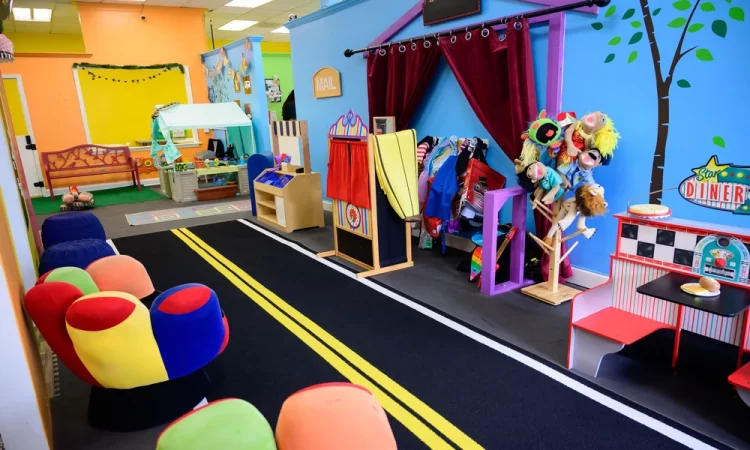
An empty room does little to spark a child’s imagination, but step into a vibrant indoor play space and watch wonder take over. For kids under twelve, the right indoor playground is more than just a rainy-day backup plan. It shapes bodies, minds, friendships, and memories that last.
Early Indoor Play Spaces: Foundations and Limitations
Origins of Indoor Play Areas
The earliest indoor playgrounds were often no more than padded rooms or simple plastic slides crammed into community centers. They were designed to keep kids busy while parents finished their errands or met up with friends.
Basic Safety and Design Considerations
Safety was the primary concern from the start. Surfaces were soft, equipment was low to the ground, and sharp edges were eliminated. But these early spaces often left little room for growth or challenge, with standardized features that missed out on engaging kids’ creativity or varied abilities.
Early Equipment and Their Impact on Child Development
Despite their limitations, these playgrounds offered two critical things: a place to expend energy and an opportunity to learn social rules like sharing and waiting in turn. This foundation highlighted the need for more thoughtful design as the importance of play in development became clearer.
Advances in Play Equipment and Design Innovations
Introduction of Climbing Structures and Slides
As childhood development research advanced, indoor play spaces evolved to include climbing walls, spiral slides, and bridges. Equipment began to stimulate not just large muscle groups but also problem-solving skills and adventurous spirit.
Interactive Panels and Sensory Play Features
The rise of interactive play panels, spinning gears, mazes, musical walls, meant kids could touch, turn, and listen, engaging all their senses. Sensory-rich experiences became central to inclusive design, inviting children of all abilities to participate.
Customization and Adaptability for Different Age Groups
Modern play spaces now adapt to a range of ages and abilities. Modular zones allow younger children to explore safely while older kids seek more challenging activities, all under one roof.
Safety Enhancements Through the Years
Materials and Construction Standards
Today’s equipment relies on tested, durable materials that are easy to sanitize and can withstand heavy use. Construction standards continue to rise, ensuring each piece is secure and stable.
Fall Protection and Soft Surfaces
Shock-absorbing mats, padded climbing zones, and seamless floor transitions dramatically reduce injury risk, giving parents and caretakers peace of mind.
Supervision and Accessibility Improvements
Clear sight lines are now prioritized, along with entrances wide enough for strollers or wheelchairs. Signage and color cues help children (and their caregivers) navigate play zones easily.
Promoting Physical Development and Coordination
Role of Large and Medium Play Areas
Expansive layouts let children run, jump, and climb freely. Large and medium play spaces give room for group games and exploration, ensuring everyone finds an activity that suits their energy level.
Equipment that Encourages Motor Skills
Features like rope ladders and balance beams build coordination and strength. Kids learn to judge distance and risk, developing confidence with every climb.
Balancing Challenge with Safety
The best designs provide challenge without danger, inviting kids to push their limits while keeping supervision and soft landings close at hand.
Supporting Cognitive Growth and Creativity
Imaginative Play Zones and Their Benefits
Pirate ships, enchanted forests, and space stations spark hours of role play, fueling language development and emotional intelligence.
Interactive and Educational Features
Panels that light up, games that encourage counting, and cooperative puzzles stimulate curiosity. The right mix keeps young minds busy and delighted.
Encouraging Social Interaction Among Children
Shared challenges, like group climbing walls or interactive games, encourage teamwork and negotiation, making every session an opportunity to build new friendships.
Age-Specific Design Considerations
Tailoring Play Spaces for Toddlers (18 months to 3 years)
Toddlers need gentle slopes, low platforms, and big, easy-to-grasp elements. Soft obstacles and sensory zones keep them safe while encouraging touch and exploration.
Features Ideal for Preschoolers (3 to 6 years)
Preschoolers thrive on imaginative play, so themed areas and role-play structures are critical. Slightly higher slides and more complex climbers match their blossoming skills.
Engaging Older Children (6 to 12 years)
Older kids crave adventure and problem-solving. Multi-level structures, obstacle courses, and spaces for group challenges keep them engaged and coming back.
Customization and The Future of Indoor Play Spaces
Trends in Modular and Themed Playgrounds
Modular equipment allows for easy updates and tailored layouts. Theming transforms ordinary rooms into jungles, castles, or underwater worlds, keeping play experiences fresh and exciting.
Integrating Technology and Interactive Media
Smart panels, projection games, and augmented reality add layers of challenge and wonder, blending the digital world with physical movement.
Sustainability and Environmentally Friendly Materials
Eco-conscious parents are driving demand for non-toxic finishes and recycled materials, ensuring play spaces are safe for both kids and the planet.
Case Studies and Real-World Applications
Notable Installations: Ontario Science Centre and Residential Examples
Spaces like the Ontario Science Centre show what’s possible when design focuses on both safety and stimulation. Residential indoor playrooms are also becoming more sophisticated, with custom features that reflect a child’s interests and developmental stage.
Lessons Learned from Successful Indoor Play Spaces
The most popular playgrounds share three things: adaptability, inclusivity, and a commitment to both fun and learning. These environments meet kids where they are, then gently guide them toward new challenges.
How Manufacturers Like Inspire Play Inc. Lead Innovation
Innovators in the field, such as those behind Inspire Play indoor playground equipment, set the bar by combining safety, creativity, and flexibility in their designs. Their customizable systems and commitment to quality make it possible for communities, schools, and families to offer spaces that truly nurture every aspect of child development.
Endless possibilities unfold when indoor play spaces are shaped by imagination, expertise, and care. For children under twelve, these environments don’t just fill an afternoon, they help shape a lifetime of confidence, creativity, and joy.