How to Choose the Right Preschool: What to Look for in a Montessori School Near You


A Parent’s Guide to Finding the Right Early Learning Environment.
Choosing a preschool is one of the first major decisions parents make in their child’s educational journey. It is not just about academics. It is about finding a place where your child feels safe, supported, and inspired to learn.
For many families, Montessori education stands out because of its focus on independence, hands-on learning, and child-led development. But not all Montessori schools are the same.
At KV Montessori, families are introduced to an environment that prioritizes both structure and freedom, helping children build confidence, curiosity, and a lifelong love of learning.
What Makes Montessori Different?
Montessori education is built on a unique philosophy that emphasizes the following:
- Child-led learning
- Hands-on exploration
- Mixed-age classrooms
- Development of independence
Rather than traditional instruction, children engage with materials and activities at their own pace, guided by trained educators.
“A true Montessori environment allows children to learn how to learn, not just what to learn.”
Key Factors to Look for in a Montessori Preschool
Authentic Montessori Curriculum
Not every school that uses the term “Montessori” follows authentic principles.
Look for:
- Certified Montessori-trained teachers
- Structured yet flexible learning environments
- Hands-on learning materials
Authenticity ensures your child receives the full benefits of the Montessori method.
Classroom Environment and Materials
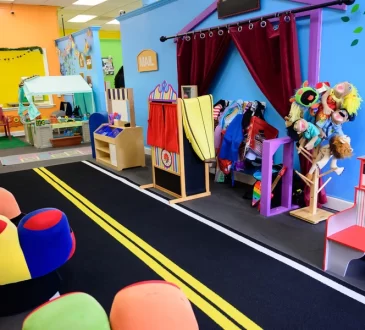
A Montessori classroom should feel calm, organized, and purposeful.
Key features include:
- Child-sized furniture
- Accessible learning materials
- Clearly defined activity areas
The environment itself plays a major role in how children learn and interact.
Teacher Approach and Engagement
Teachers in a Montessori setting act as guides rather than lecturers.
Observe whether they:
- Encourage independence
- Respect each child’s pace
- Provide gentle guidance instead of direct instruction
The teacher’s role is essential in fostering confidence and curiosity.
Focus on Independence and Life Skills
Montessori education goes beyond academics.
Children learn:
- Practical life skills
- Responsibility and self-discipline
- Problem-solving and decision-making
These skills build a strong foundation for future success.
Communication with Parents
A quality preschool maintains open communication with families.
Look for:
- Regular updates on progress
- Opportunities for parent involvement
- Transparent policies and expectations
At KV Montessori, collaboration with families is a key part of the educational experience.
Why Location and Community Matter
Choosing a preschool near you offers convenience, but it also strengthens your child’s sense of community.
A local Montessori school allows the following:
- Easier daily routines
- Stronger connections with peers
- Greater involvement in school activities
Signs You’ve Found the Right Fit
The right preschool should feel right both academically and emotionally.
Positive indicators include the following:
- Your child feels comfortable and engaged
- Teachers are attentive and supportive
- The environment is structured yet flexible
“The best preschool is one where your child feels confident, curious, and excited to return each day.”
Conclusion: Choosing a Foundation for Lifelong Learning
Selecting a preschool is about more than early education. It is about setting the tone for your child’s future learning experiences.
A Montessori environment offers a unique approach that nurtures independence, creativity, and confidence.
If you are exploring preschool options, KV Montessori is here to provide a supportive, engaging, and authentic Montessori experience.
Schedule a tour at KV Montessori today and discover the right environment for your child.
FAQs
What age is best to start Montessori preschool?
Many children begin between ages 2.5 and 4, depending on readiness.
How is Montessori different from traditional preschool?
Montessori focuses on child-led, hands-on learning rather than structured group instruction.
Are Montessori schools academically strong?
Yes. They build strong foundations in both academics and life skills.
How do I know if a Montessori school is authentic?
Look for certified teachers, proper materials, and adherence to Montessori principles.