

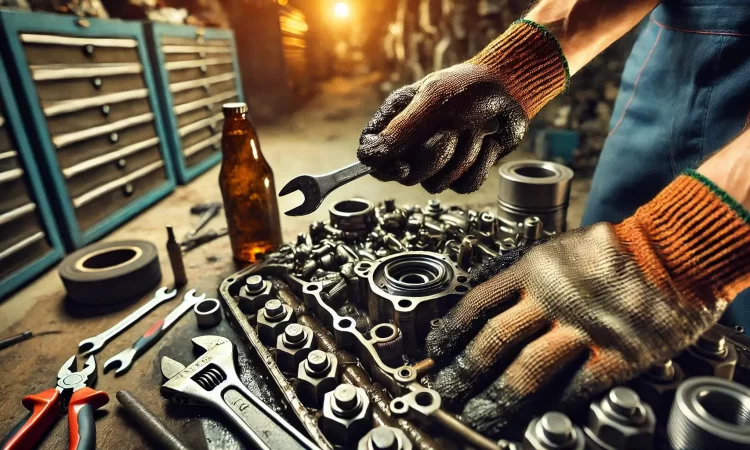
Diesel mechanics are responsible for maintaining and repairing the engines that power trucks, buses, construction equipment, and many types of industrial machinery. Their work keeps essential systems operating across logistics, transportation, and agriculture. For individuals interested in engines, diagnostics, and hands-on problem solving, diesel mechanic jobs offer a long-term career with consistent demand.
The first step toward becoming a diesel mechanic usually involves earning a high school diploma or GED. Foundational skills in math, science, and computer literacy are helpful, especially as modern diesel systems include advanced electronic controls. Some individuals enter the field through entry-level shop positions, gaining experience as assistants or apprentices while learning the trade. Others choose to enroll in a postsecondary diesel technology program, which can provide a more direct route to employment.
Diesel technology programs are available at technical schools, community colleges, and trade institutes. These programs typically cover a range of topics including engine theory, brake systems, fuel systems, electronic diagnostics, emissions control, and preventative maintenance. Hands-on training is a significant part of the curriculum, as students work directly on diesel-powered vehicles and machinery. Graduates of accredited programs are often better positioned to secure employment and may be eligible for certifications required by employers. To understand the scope of training options and credentialing, prospective mechanics can explore information provided by the ASE Education Foundation, which evaluates and accredits automotive and diesel programs nationwide.
Certification is a common next step for diesel mechanics. The National Institute for Automotive Service Excellence (ASE) offers certifications in areas such as diesel engines, suspension and steering, brakes, and electrical systems. Many employers either require or strongly prefer ASE-certified technicians. Certification involves passing exams that test technical knowledge and practical understanding. Mechanics may choose to pursue additional credentials over time as they specialize in specific areas or take on more advanced roles.
Diesel mechanics must also possess key soft skills. The ability to diagnose issues efficiently, communicate with drivers and fleet managers, and work safely around heavy equipment are all part of the job. Because repair environments can be noisy, hot, or confined, physical endurance and adaptability are also necessary. Attention to detail is crucial, especially when working with safety systems or emissions technology that must comply with federal regulations. Many employers also conduct background checks and expect a clean driving record for mobile or field-based roles.
The job market for diesel mechanics remains strong. As long as commercial transportation and heavy machinery continue to support the economy, there will be a need for skilled technicians. According to the U.S. Bureau of Labor Statistics, employment in this field is expected to remain steady in the coming years. Wages vary by region and specialization, but most full-time mechanics receive competitive pay along with access to health benefits, retirement plans, and union representation where applicable.
In terms of finding work, diesel mechanics have several options. Many begin by applying directly to trucking companies, transit agencies, equipment rental services, or dealerships. Others enter the field through formal apprenticeships, which combine paid work with structured training. These programs are often offered through unions or employer partnerships and can last several years. Job seekers should prepare a resume that highlights both education and practical experience, and should be ready to demonstrate knowledge during technical interviews or assessments.
Long-term career paths for diesel mechanics may include shop supervision, field service roles, or teaching positions at vocational schools. Some mechanics also choose to specialize in specific brands of equipment or move into diagnostics and inspection services. With further training and experience, opportunities exist to advance into service management or fleet maintenance coordination. For those interested in a career that values skill, consistency, and real-world impact, diesel mechanics offers a clear and rewarding path forward.